
Fat Biking in Winter Arosa
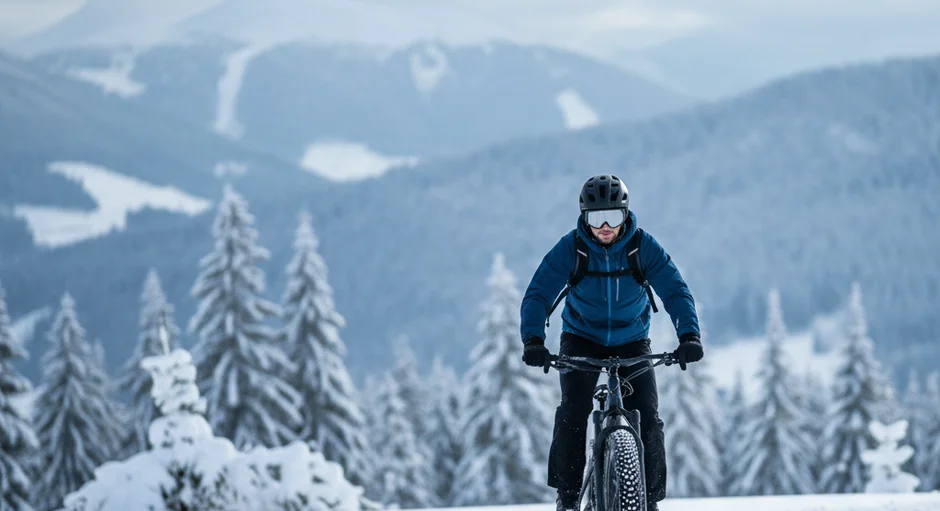
Fat biking transforms snow-covered trails into rideable terrain through oversized tires that float over powder and grip packed surfaces. In Arosa and the connected Lenzerheide area, winter mountain biking extends beyond the familiar summer season, creating year-round riding opportunities across varied alpine terrain. What makes this approach to winter distinctive is the physical challenge of controlling a bike on snow while maintaining the fluid motion of trail riding.
Mountain bikers who want to continue riding through winter find fat biking a natural progression. The wide tires (typically 3.8 to 5 inches) distribute weight across soft surfaces, allowing you to pedal where regular bikes would sink. Arosa's winter trails range from groomed routes suitable for first attempts to deep powder sections that require technique adjustments and full engagement with changing conditions. The SnowBikepark at Lenzerheide Rothorn, Switzerland's first dedicated facility of its kind, adds purpose-built features to the natural trail network.
What Fat Biking Feels Like
The bike handles differently than you expect. Weight shifts more deliberately. Steering requires earlier input. Your regular mountain biking instincts need recalibration for snow.
You push into the pedals and the fat tires compress the snow beneath. The bike moves forward with a sensation that's part rolling, part floating. On groomed trails, the packed surface provides surprising traction. The wide tires track steadily through gentle turns. Your breathing creates visible clouds. Cold air reaches your lungs sharply.
Then the trail enters deeper snow. The front tire wants to wander. You lean back slightly, weight over the rear wheel, and the bike stabilizes. Power comes in steady pedal strokes rather than sudden bursts. The physical demand increases noticeably. Your core engages to maintain balance as the bike moves through variable snow density.
At the SnowBikepark, purpose-built features create different challenges. Banked curves let you carve lines through snow. Wave troughs test your ability to pump terrain for momentum. Small jumps (when snow conditions allow) require precise timing and commitment. The park transforms familiar mountain biking skills into winter variations. You carry speed through bermed sections, your outside pedal dropped, shoulders angled into the turn. The bike grips and releases in patterns you learn to read and anticipate.
The contrast between technical park riding and longer trail exploration defines the fat biking experience in Arosa. One demands bursts of intensity and specific line choices. The other rewards endurance and consistent pace across kilometers of winter landscape.
Fat Biking in Arosa's Winter Setting
The Arosa Lenzerheide area offers approximately 60 kilometers of winter hiking trails, many of which become fat biking routes when conditions permit. The geography creates natural variety: lower elevation trails near Lenzerheide and Chur often remain snow-free into December, extending the shoulder season. Higher routes around Arosa develop deeper snow cover, creating different riding characteristics throughout winter months from December through March.
The SnowBikepark at Lenzerheide Rothorn sits at the Rothorn 1 gondola lift, opened in 2016 specifically for winter biking. The park includes steep wall curves, wave sections, and jump features built from Graubünden soil, stone and local wood. Snow coverage determines which elements remain rideable; the park adapts to natural conditions rather than artificial snow production. This means features vary throughout the season based on weather patterns and accumulated snowfall.
Guided sessions with trained instructors focus on technique fundamentals: body position for various snow conditions, line choice in deep sections, carving mechanics on packed surfaces, and bike handling when traction shifts unexpectedly. First-time snow bikers typically spend 90 minutes to two hours learning basic approaches before riding independently.
Rental fat bikes are available through the Bike Kingdom network, which connects Arosa, Lenzerheide and Chur into a regional mountain biking destination that now extends into winter months. The bikes come equipped for alpine winter conditions with appropriate tire pressure for snow riding (typically 5-8 PSI, significantly lower than summer settings).
The November High period, starting October 25, creates a unique transition window. Some higher trails hold early snow while lower routes remain accessible for regular mountain biking. This overlap allows riders to experience both seasonal conditions in a single visit, moving between summer trails and emerging winter routes as elevation changes.
For those looking to extend winter activities beyond fat biking, Arosa's broader winter experiences include ice climbing, curling, and winter hiking across the same trail networks. After a morning of riding through snow-covered terrain, the spa facilities provide focused recovery: sauna heat works through cold-stressed muscles, and massage addresses the specific fatigue that comes from maintaining balance on variable snow surfaces.
Practical Considerations for Snow Biking
Fat biking in winter demands different preparation than summer mountain biking. The physical exertion generates significant body heat while cold air hits exposed skin. Layering systems that you can adjust mid-ride work better than single heavy jackets. Hands get cold first during downhill sections; insulated gloves rated for active winter sports prevent numbness.
Snow conditions change throughout the day. Morning trails offer firm, cold surfaces. Afternoon sun softens snow, creating slower, more resistant riding. Temperature fluctuations affect tire pressure: what works at 8 AM may feel sluggish by 2 PM. Experienced riders carry a portable pump for minor adjustments.
The learning curve for fat bike technique is real but not prohibitive. If you can ride a mountain bike with moderate confidence, you'll adapt to snow riding within a few hours. The main adjustments: earlier steering inputs, smoother power delivery, and acceptance that you'll occasionally lose traction and need to unclip or step off. This is normal, not failure.
Check current conditions before heading out. The interactive slope map and regional apps show lift operations and trail status. SnowBikepark features depend on adequate snow depth; some elements close when coverage drops below safe levels. Natural trails may be rideable when the park isn't, and vice versa, based on elevation and recent weather.
Duration and distance planning differs from summer rides. The same trail takes longer in winter. Energy expenditure increases substantially when riding through deeper snow sections. A route that takes 90 minutes in summer may require two hours in winter conditions, with more frequent rest intervals.
Fat biking integrates naturally into multi-activity winter visits to Arosa. The bike park and trail network connect to lift systems that also serve skiers. You can fat bike in the morning, ski in the afternoon, or alternate activities across several days. The accommodation options in Arosa cater to active guests who move between different winter sports rather than committing exclusively to skiing.
Equipment rental removes the barrier of bike ownership. Rental packages typically include the fat bike, helmet, and basic instruction on tire pressure and handling differences. More detailed technique guidance comes through booking a session with certified instructors who teach snow-specific skills.
The regional character of fat biking in Arosa reflects the destination's broader approach to winter sports: opportunities exist for serious athletes and curious beginners, with infrastructure that supports both. You can spend a full day at the SnowBikepark refining technical skills, or take a leisurely two-hour ride on groomed lower trails, stopping frequently to appreciate winter quiet. Both approaches work. Neither requires apology or explanation.
What emerges from fat biking in snow is a distinct satisfaction that comes from adapting familiar skills to unfamiliar conditions. The bike still rolls forward when you pedal. But everything else requires attention, adjustment, and the particular awareness that arises when terrain demands full presence. That quality of focused engagement, combined with the physical pleasure of riding through silent winter forest, explains why mountain bikers increasingly extend their season into months traditionally reserved for skis.
Hotel Altein provides an ideal base for exploring Arosa's fat biking terrain, with direct access to the trail network and lift systems that connect to both the SnowBikepark and groomed winter routes. Guests can arrange bike rentals, guided sessions, and equipment through the hotel, returning after rides to comfortable accommodations where recovery facilities help prepare for the next day's adventures on snow-covered trails.
Frequently Asked Questions
What is fat biking and how does it work on snow?
Fat biking uses oversized tires that float over powder and grip packed surfaces, turning snow-covered trails into rideable terrain. The wide tires are typically 3.8 to 5 inches and distribute weight across soft surfaces so you can pedal where regular bikes would sink. In Arosa and the connected Lenzerheide area it extends mountain biking beyond the summer season.
Where can you fat bike in the Arosa Lenzerheide area?
Many of the area's winter hiking trails become fat biking routes when conditions permit, and the area offers approximately 60 kilometres of winter hiking trails. The SnowBikepark at Lenzerheide Rothorn is a purpose-built facility at the Rothorn 1 gondola lift, opened in 2016. It includes steep wall curves, wave sections, and jump features.
Do I need experience to try fat biking in Arosa?
If you can ride a mountain bike with moderate confidence, you can usually adapt to snow riding within a few hours. Guided sessions with trained instructors focus on body position, line choice, carving, and bike handling. First-time snow bikers typically spend 90 minutes to two hours learning before riding independently.
Can I rent a fat bike in Arosa?
Yes, rental fat bikes are available through the Bike Kingdom network, which connects Arosa, Lenzerheide and Chur. Rental packages typically include the fat bike, helmet, and basic instruction on tire pressure and handling. The bikes come set up for alpine winter conditions with lower tire pressure for snow, typically 5 to 8 PSI.
When is the fat biking season in Arosa?
Winter riding generally runs from December through March, with higher routes developing deeper snow cover. Lower elevation trails near Lenzerheide and Chur often remain snow-free into December, extending the shoulder season. Snow coverage determines which SnowBikepark elements remain rideable, so check current conditions before heading out.