
Horse Riding in Arosa: Alpine Trails and Mountain Views
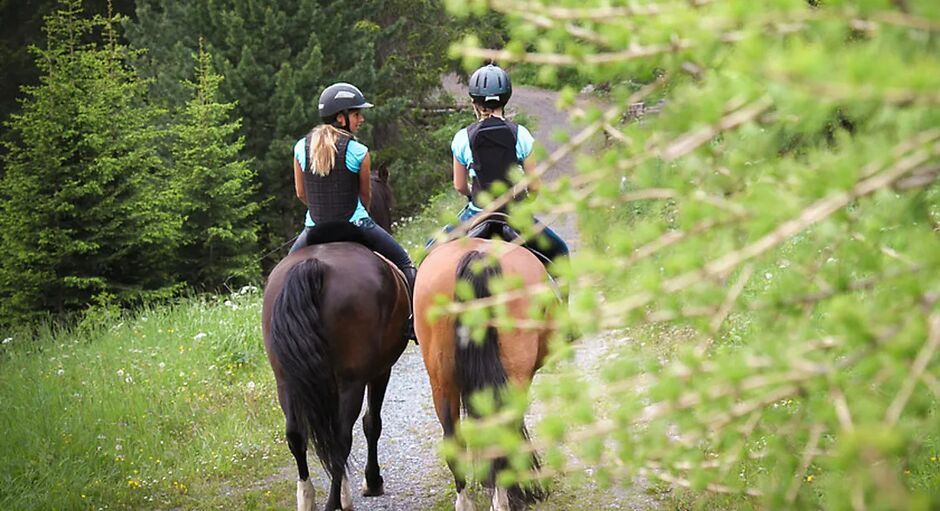
Horse riding in Arosa opens up the alpine landscape at the pace it was meant to be experienced. The steady rhythm of hooves on mountain trails, the quiet breathing of your horse as you climb through spruce forest, the expansive views across the Schanfigg Valley that unfold gradually rather than rushing past a car window. At 1,800 metres elevation, the riding here takes you through terrain that changes character with every hundred metres of altitude: from village paths lined with traditional timber houses to high pastures where cattle graze in summer, their bells creating a soundtrack that has defined these valleys for centuries.
The riding culture in Arosa reflects the broader Swiss approach to mountain activities: well-organized, safety-conscious, and designed to accommodate different experience levels without compromising the authentic alpine experience. Local stables maintain horses suited to mountain terrain, guides who know the trail conditions intimately, and programs that range from gentle one-hour forest rides to half-day excursions that climb above the treeline. For visitors staying at Hotel Altein, horse riding represents one of the quieter ways to explore the landscape beyond the village, moving through the same terrain that hikers and mountain bikers enjoy but at the contemplative pace that only horseback travel provides.
Riding Stables and Providers in Arosa
The primary horse riding facility serving Arosa is Reitschule Arosa, located at Poststrasse 225 in the village center. This established riding school operates year-round programs from their indoor arena and maintains access to the extensive trail network that radiates from the village into the surrounding valleys. The facility keeps a stable of horses trained specifically for alpine terrain, with animals suited to different rider experience levels and physical capabilities.
Reitschule Arosa offers structured riding lessons in their covered arena, which remains accessible regardless of weather conditions. The indoor facility allows for consistent instruction focused on fundamental riding skills: proper seat and posture, rein handling, basic communication with the horse, and the balance techniques essential for mountain trail riding. These arena sessions work particularly well for beginners who want to develop confidence before venturing onto mountain trails, or for experienced riders looking to refine their technique with professional instruction.
For trail riding, the school organizes guided excursions that explore the network of bridle paths extending from Arosa into the Schanfigg Valley and surrounding alpine meadows. These rides typically last one to three hours, depending on the route and group experience level. The guides know current trail conditions, weather patterns, and the locations where wildlife sightings are most likely. They also understand the specific challenges of high-altitude riding: how horses perform differently in thinner air, how quickly weather can change above the treeline, and which routes offer the most rewarding combination of scenery and suitable terrain for different skill levels.
Pension Alpina, located on the outskirts of Arosa, also maintains riding facilities and offers a more intimate approach to equestrian activities. This family-run operation focuses on smaller groups and personalized instruction, with particular expertise in matching horses to individual riders based on experience and temperament. Their trail rides often follow less-traveled paths through the quieter sections of the valley, where the emphasis falls on peaceful interaction with the landscape rather than covering maximum distance.
Both facilities maintain contact with riding operations in the broader Graubünden region, allowing them to arrange longer excursions or specialized programs for guests seeking more extensive equestrian experiences. Multi-day riding holidays, advanced instruction clinics, and connections to other alpine riding centers all become possible through these local partnerships.
Trail Routes and Alpine Terrain
The bridle path network around Arosa takes advantage of the valley's natural geography to create routes that showcase different aspects of the alpine environment. Lower elevation trails follow the valley floor through mixed forest of spruce, pine, and larch, often paralleling streams where horses can drink and riders can appreciate the sound of running water echoing off the surrounding slopes. These routes work well for introductory rides, offering stable footing and protection from wind while providing glimpses of the higher peaks through breaks in the forest canopy.
Mid-elevation trails climb into the zone where forest gives way to alpine meadows. Here, the riding becomes more demanding as horses work harder in the thinner air, but the rewards increase proportionally. Open pastures provide panoramic views across multiple valley systems, and the wildflower displays during July and August create foregrounds that photographers and casual observers alike find compelling. The traditional hay barns scattered across these meadows serve as natural rest points where groups can pause to let horses recover while riders take in the expanded vistas.
Higher elevation routes venture into terrain where vegetation becomes sparse and the landscape takes on the austere beauty characteristic of the high Alps. These rides demand more experienced horses and riders, as the footing becomes less predictable and weather exposure increases significantly. However, for those comfortable with the challenges, these routes provide access to viewpoints and alpine lakes that few visitors experience on horseback.
The seasonal variation in available routes reflects the realities of mountain weather and grazing patterns. Spring rides often focus on lower elevations while snow clears from higher trails. Summer opens the full network, with early morning rides taking advantage of cooler temperatures and calmer conditions before afternoon thunderstorms develop. Autumn brings its own rewards: fewer crowds, stable weather, and the dramatic color changes that transform the larch forests into golden displays visible from considerable distances.
Riding Instruction and Skill Development
Professional riding instruction in Arosa follows Swiss equestrian standards, emphasizing safety, proper technique, and gradual skill progression. Beginning riders start with ground work: learning to approach, halter, and lead horses safely, understanding basic horse behavior and communication signals, and developing the confidence necessary for mounted work. This foundation proves essential in mountain environments where horses may encounter unfamiliar terrain, wildlife, or sudden weather changes.
Arena lessons focus on developing the secure seat and balanced position essential for trail riding. Unlike flat terrain riding, mountain trails demand riders who can maintain their position through steep ascents and descents, adjust to sudden changes in the horse's movement, and remain effective in the saddle during extended periods at various gaits. The covered arena at Reitschule Arosa allows for consistent practice of these skills regardless of outdoor conditions.
Advanced instruction addresses the specific techniques required for confident mountain riding: how to position your weight during steep climbs, how to support your horse through challenging descents, how to read terrain and anticipate the horse's needs in different conditions. These skills develop through practice on actual mountain trails under expert supervision, with instructors who understand both equestrian technique and alpine safety requirements.
For families with children, riding instruction takes into account the different physical and psychological needs of young riders. Programs typically start with very gentle horses and focus on building confidence through positive experiences rather than pushing technical advancement too quickly. The goal is to create young riders who enjoy the activity and develop proper safety habits that will serve them throughout their equestrian development.
Practical Considerations for Mountain Riding
Proper clothing for alpine horse riding differs somewhat from standard equestrian wear. While riding helmets remain essential and are typically provided by the stables, other gear needs to account for mountain weather variability and the specific demands of trail riding. Long pants provide protection from saddle chafing and brush contact, while closed-toe shoes with modest heels prevent feet from slipping through stirrups. Layers allow adjustment to changing temperatures as rides move between shaded forest sections and open meadows exposed to full sun.
Weather awareness becomes particularly important for mountain riding. Afternoon thunderstorms develop quickly in alpine environments, and horses can become nervous in high winds or during sudden temperature drops. Experienced guides monitor weather forecasts closely and adjust route plans accordingly, sometimes moving rides to earlier hours or selecting more protected trails when conditions warrant caution.
Physical preparation for mountain riding should not be underestimated. The combination of altitude, varied terrain, and potentially extended time in the saddle can be more demanding than riders expect. Those accustomed to arena riding or flat trail work may find mountain riding engages different muscle groups and requires greater core strength and balance. Starting with shorter rides and gradually increasing duration allows riders to adapt to these demands without compromising enjoyment.
Booking arrangements typically require advance notice, particularly during peak summer months when demand for guided rides is highest. Stables need to assess rider experience levels, match appropriate horses, and coordinate with weather forecasts and trail conditions. Providing accurate information about riding background, physical limitations, and preferred experience type helps ensure suitable arrangements and realistic expectations.
Wildlife and Natural Encounters
Horse riding in the alpine environment around Arosa provides opportunities for wildlife observation that differ significantly from hiking or mechanical transportation. Horses move quietly through the landscape, and their presence often seems less threatening to wildlife than human foot traffic. Deer, marmots, and various bird species may allow closer approach when encountered from horseback, creating photography and observation opportunities that walking might not provide.
The horses themselves serve as wildlife indicators, often detecting the presence of animals through sound or scent before riders notice anything. Experienced trail guides understand these signals and can alert riders to watch for movement in specific directions, enhancing the overall nature experience of mountain rides.
Traditional grazing areas used by cattle during summer months create interesting interactions as trail horses move through terrain shared with livestock. The horses typically show little concern about cattle presence, but riders may find these encounters educational, particularly children who have limited exposure to working agricultural environments.
Seasonal wildflower displays add another dimension to the riding experience. July and August bring peak blooming periods for alpine species, creating meadow rides through landscapes that shift color dramatically over short distances. Guides familiar with local flora can identify species and explain their adaptation to high-altitude conditions, adding educational value to scenic rides.
Connecting Horse Riding to Your Arosa Experience
Horse riding integrates naturally into the broader range of mountain activities available in Arosa. A morning trail ride pairs well with afternoon exploration of the village, visits to local museums, or relaxation at spa facilities. The contemplative pace of horseback travel provides a counterpoint to more energetic activities like hiking or mountain biking, allowing visitors to experience the alpine landscape from multiple perspectives during their stay.
For families, horse riding often becomes a shared activity that accommodates different age groups and physical capabilities. While some family members might prefer challenging hikes or technical mountain sports, trail riding offers an accessible way for everyone to explore beyond the village boundaries together. The guided nature of most rides eliminates navigation concerns and allows families to focus on enjoying the experience rather than managing logistics.
The timing of rides can be coordinated with other scheduled activities or dining reservations. Morning rides often conclude by late morning, leaving afternoons free for other pursuits. Alternatively, afternoon rides can follow morning activities, with the slower pace of horseback travel serving as a relaxing transition toward evening. Local stables understand these scheduling considerations and can work with visitors to create itineraries that complement other planned activities.
After hours in the saddle, particularly on longer mountain rides, the wellness facilities at Hotel Altein provide welcome relief for muscles that may not be accustomed to extended riding. The spa's therapeutic treatments and thermal facilities help address the specific physical demands of mountain equestrian activities, ensuring that riding enhances rather than limits other vacation activities.
Horse riding in Arosa represents one of the traditional ways to explore alpine terrain, connecting visitors to centuries of mountain travel while providing access to landscapes that remain largely unchanged despite modern development. The combination of professional instruction, well-maintained horses, and extensive trail networks creates opportunities for meaningful equestrian experiences regardless of previous riding background. For guests at Hotel Altein, the village's central location provides easy access to riding facilities while the hotel's amenities support recovery and relaxation after days spent exploring the mountains from the unique perspective that only horseback travel can provide.

Frequently Asked Questions
Where can you go horse riding in Arosa?
The primary horse riding facility is Reitschule Arosa, located at Poststrasse 225 in the village center. It operates year-round programs from an indoor arena and maintains access to the trail network radiating from the village. Pension Alpina, on the outskirts of Arosa, also maintains riding facilities with a more intimate, family-run approach.
Can beginners go horse riding here, or is it only for experienced riders?
Both are accommodated, with programs ranging from gentle one-hour forest rides to half-day excursions that climb above the treeline. Reitschule Arosa offers structured lessons in a covered arena that work well for beginners building confidence before trail riding. The indoor arena remains accessible regardless of weather conditions.
How long are the trail rides and what will I see?
Guided trail rides typically last one to three hours, depending on route and group experience level. Routes pass through spruce forest, high pastures where cattle graze in summer, and open meadows with panoramic valley views. Guides know current trail conditions and where wildlife sightings are most likely.
What should I wear, and do I need to book ahead?
Riding helmets are essential and typically provided by the stables. Wear long pants and closed-toe shoes with modest heels, plus layers for changing mountain temperatures. Booking arrangements typically require advance notice, particularly during peak summer months.
How does Altein, Arosa connect to a riding day?
Altein, Arosa's central village location provides easy access to riding facilities. A morning trail ride pairs well with afternoon village exploration or relaxation at the spa. After hours in the saddle, the hotel's wellness facilities provide relief for muscles not accustomed to extended riding.