
Ice Climbing in Arosa: Winter, Made Vertical
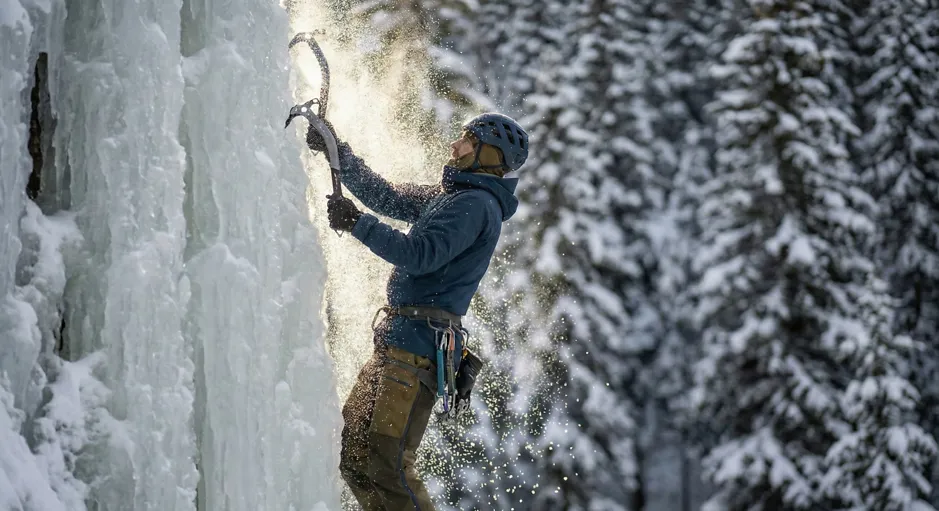
Ice climbing transforms frozen waterfalls and alpine ice formations into vertical terrain you can ascend with crampons, ice axes, and the guidance of professionals who know the mountains intimately. In Arosa, ice climbing is offered as a guided winter activity, with taster courses (Schnupperkurs) designed for first-timers and more extensive routes available for experienced climbers. The experience combines physical challenge, mental focus, and the particular beauty of blue ice catching winter light. For adventurous guests looking for a memorable half-day that pushes beyond the familiar rhythm of skiing, ice climbing delivers something genuinely different.
What Ice Climbing Feels Like
Ice climbing demands full-body engagement and constant attention. You use ice axes to punch into frozen surfaces above your head, then kick crampons into the ice to create footholds. Each move requires deliberate placement, weight transfer, and balance. The ice itself varies: sometimes glassy and hard, requiring precise strikes; other times more textured, offering better purchase. You climb on belay, with a rope managed by your guide from above or below, so falls are controlled and the primary challenge is technique rather than danger.
The mental side of ice climbing is as significant as the physical. Looking up at a vertical or overhanging ice face triggers an immediate question: how do I get up that? The answer comes through methodical problem-solving, trusting your equipment, and committing to movements that feel counterintuitive at first. As you gain height, the exposure becomes more noticeable, but the focus required to place each tool and step keeps your attention locked on the immediate task. When you reach the top of a pitch, the sense of accomplishment is distinct from other mountain activities because you've moved through terrain that looked impossible from below.
Ice climbing in winter also means exposure to cold in a way that skiing doesn't replicate. You're moving slowly, often in shade, and your hands grip cold metal tools for extended periods. Proper gloves, layering, and breaks to warm up are essential. The cold sharpens the experience rather than diminishing it. The crunch of crampons on ice, the sound of axes biting into frozen surfaces, and the clarity of mountain air in stillness all contribute to an atmosphere of focus and intensity.
Ice Climbing Locations and Conditions Around Arosa
Arosa and its surrounding valleys offer multiple ice climbing venues, with routes forming on frozen waterfalls, seeps, and natural ice features that develop through the winter. The exact locations climbed on any given day depend on current ice conditions, temperature, recent weather, and the ability level of participants. Ice is a dynamic medium: it grows, melts, and changes structure throughout the season, and what's climbable in January may not exist in March, or vice versa.
Guides choose routes based on these factors and adjust plans to match the group's experience. Taster sessions typically use easier ice formations with moderate angles, allowing beginners to learn basic technique without intimidating exposure. More advanced routes involve steeper pitches, overhanging sections, and longer vertical distances, suited to climbers with prior experience or strong fitness and comfort with heights.
Because ice conditions can't be guaranteed in advance, flexibility is built into guided ice climbing days. If a planned route isn't in good condition, guides have alternative options or may shift to mixed climbing (rock and ice) or other winter mountaineering activities. This variability is part of mountain guiding, and experienced guides prioritize safety and quality of experience over sticking rigidly to a predetermined plan.
Taster Courses and Guided Ice Climbing
Ice climbing taster courses (Schnupperkurs) in Arosa are structured to introduce the activity in a manageable, guided format. These sessions typically last a half-day, covering equipment familiarization, basic ice climbing technique, and supervised climbs on beginner-appropriate ice. Guides provide all technical equipment—ice axes, crampons, helmets, harnesses, ropes—and handle belay and safety systems. Participants need warm clothing, gloves, and winter boots; guides advise on specifics during booking.
The instructional approach focuses on building confidence through repetition and clear coaching. Guides demonstrate tool placement, footwork, and body positioning, then supervise as participants practice on shorter sections before progressing to longer pitches. The pace allows for rest, feedback, and adjustment, so the experience doesn't become overwhelming or purely physical. Most people who complete a taster session walk away feeling they've genuinely learned a new skill, not just survived an adventure.
For guests with prior climbing experience or those who want to go beyond an introductory session, longer guided ice climbing days offer access to more challenging routes and sustained vertical climbing. These outings require higher fitness levels and comfort with exposure, and guides assess participants' ability before committing to specific objectives. The progression from taster to intermediate to advanced routes is well-supported by Arosa's local guiding community, making it possible to return and build skills over multiple visits.
Why Go with a Certified Mountain Guide
Ice climbing is technical and involves real risks: falling ice, avalanche terrain, equipment failure, and human error. Certified mountain guides bring training in risk assessment, route selection, technical systems, and emergency response. They read ice quality, recognize unsafe conditions, and make conservative decisions when variables don't align. Their experience allows you to focus on the climbing itself while they manage the safety infrastructure.
Guides also adapt the experience to the group. They recognize when someone is struggling with technique, fatigue, or fear, and adjust pacing, encouragement, or objectives accordingly. They know when to push slightly beyond comfort zones to build confidence and when to pull back to prevent overreach. This judgment separates guided ice climbing from attempting the activity independently or with unqualified companions.
Booking through certified guides ensures access to proper equipment, insurance coverage, and adherence to professional standards. It also connects you to local knowledge about where the best ice is forming, which routes are active, and which conditions are developing. This insider information significantly improves the quality of the experience compared to trying to research and plan independently.
Practical Considerations and Booking
Ice climbing taster courses and guided days in Arosa are available through local mountain guide services and can be booked directly or through Arosa tourism information. Sessions typically require advance booking, especially during peak season, and guides may request information about your fitness level, previous climbing experience, and any relevant medical conditions.
Physical fitness matters for ice climbing, though strength is less important than stamina and coordination. The activity involves repeated overhead movements, sustained gripping, and standing in crampons for extended periods. If you can ski confidently and hike uphill without difficulty, you have a reasonable baseline for a taster session. More demanding routes require correspondingly higher fitness and comfort with exposure.
Weather affects ice climbing more than most winter activities. Warm temperatures degrade ice quality, and storms can make approaches unsafe. Guides monitor forecasts closely and may postpone or cancel sessions if conditions are poor. Flexibility with timing improves your chances of getting out on good ice. Early season (December through January) and late season (March into April) offer different ice characteristics; mid-winter typically provides the most reliable conditions.
Expect to spend time on approach and descent in addition to climbing time. Some ice venues are close to roads or lifts; others require hiking through snow or skinning on skis to reach. This adds to the overall physical demand and the sense of being in remote terrain. The combination of effort, focus, and exposure creates a day that feels distinct from other mountain activities.
Ice Climbing and Hotel Altein
Hotel Altein provides a comfortable base for ice climbing days, with equipment storage, drying facilities, and wellness amenities that support recovery after physically demanding activities. The hotel's spa, including hot pools, sauna, and massage services, offers an ideal complement to a day spent climbing in cold conditions. Reception can assist with booking certified mountain guides for ice climbing taster courses or full-day guided climbs, and can provide information on timing, meeting points, and what to bring. The central village location makes coordination straightforward, whether guides are picking up from the hotel or meeting at a designated point nearby.
Frequently Asked Questions
What is ice climbing in Arosa?
Ice climbing in Arosa is a guided winter activity using crampons, ice axes, and the guidance of professionals. You ascend frozen waterfalls and alpine ice formations. Taster courses (Schnupperkurs) are designed for first-timers, with more extensive routes for experienced climbers.
Can beginners try ice climbing in Arosa?
Yes, taster courses introduce the activity in a manageable, guided format for first-timers. Sessions typically last a half-day and cover equipment familiarization, basic technique, and supervised climbs on beginner-appropriate ice. Guides provide ice axes, crampons, helmets, harnesses, and ropes.
What do I need to bring for an ice climbing taster course?
Participants need warm clothing, gloves, and winter boots. Guides provide all technical equipment and handle belay and safety systems. Guides advise on specifics during booking.
How do I book ice climbing in Arosa?
Ice climbing taster courses and guided days are available through local mountain guide services. They can be booked directly or through Arosa tourism information. Sessions typically require advance booking, especially during peak season, and guides may ask about your fitness, experience, and any relevant medical conditions.
How does ice climbing connect to a stay at Altein, Arosa?
Altein, Arosa provides a base with equipment storage, drying facilities, and wellness amenities. The hotel's spa, including hot pools and sauna, supports recovery after a demanding day. Reception can assist with booking certified mountain guides and provide information on timing, meeting points, and what to bring.