
Squirrel Trail Arosa
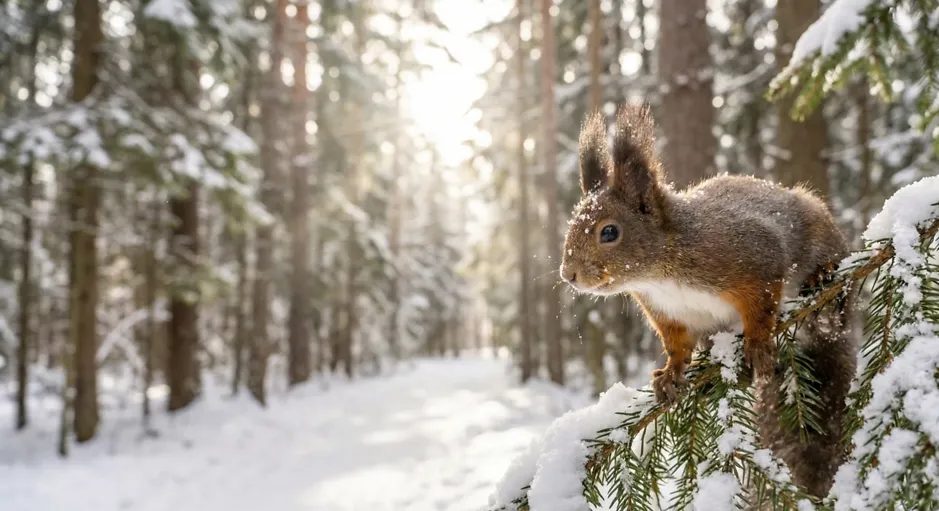
The Eichhörnliweg, known locally as the Squirrel Trail, has become one of the most cherished experiences in Arosa. This enchanting forest walk remains open throughout the winter months, offering visitors a rare opportunity to encounter wildlife in an authentic alpine setting. What makes this trail truly special is the population of red squirrels that have made these woods their home. Over the years, these curious creatures have grown remarkably comfortable around humans, often approaching visitors to accept nuts directly from an outstretched hand.
Unlike skiing or snowboarding, the Squirrel Trail requires no special equipment or prior experience. It welcomes everyone from young children taking their first steps in the snow to grandparents seeking a gentle outdoor activity. The magic of watching a wild squirrel approach, study you with bright eyes, and delicately take a nut from your palm creates memories that guests talk about long after they return home. For families, it often becomes the unexpected highlight of a winter holiday.
The Trail and Its History
The Squirrel Trail stretches 1.7 kilometres through the forest, beginning below the Waldhotel National along Tomeli Street and winding its way to the Maran area. The path follows the natural contours of the land, passing through stands of ancient spruce and pine trees whose branches hang heavy with snow during the winter months. Sunlight filters through the canopy, creating patterns of light and shadow on the trail below.
The trail was developed to showcase the remarkable relationship between Arosa's residents and the local wildlife. Over generations, the squirrels in this particular stretch of forest have lost their natural wariness of humans. This is not a zoo or a sanctuary with captive animals. These are wild squirrels living their natural lives, who simply happen to have learned that the humans walking through their territory often bring gifts of hazelnuts and walnuts.
Along the route, you will find a series of interactive information stations. These educational displays, designed with children in mind, explain the ecology of the alpine forest, the behaviour of red squirrels, and the other wildlife that calls this area home. Parents appreciate how these stations keep younger children engaged between squirrel sightings, turning the walk into both an adventure and a learning experience.
Why Winter is Special
While the Squirrel Trail is open year-round, winter offers a particularly rewarding experience. The forest takes on a magical quality when blanketed in snow, with every branch and boulder transformed into a sculpture of white. The silence of the winter woods, broken only by birdsong and the occasional rustle of a squirrel moving through the branches, creates a sense of peace that is increasingly rare in our busy world.
From a practical standpoint, winter is also an excellent time for squirrel encounters. The animals are actively foraging to maintain their energy through the cold months, making them more motivated to approach visitors offering food. The quieter atmosphere of winter means fewer people on the trail, reducing competition for the squirrels' attention and increasing your chances of a close encounter.
Photographers particularly appreciate winter visits. The contrast of a russet-furred squirrel against pristine white snow creates striking images. The softer winter light filtering through bare branches provides natural illumination that is far more forgiving than the harsh shadows of summer. Many guests return from the trail with photographs worthy of framing.
What to Bring
The key to a successful squirrel encounter is bringing the right food. Red squirrels are particularly fond of hazelnuts and walnuts.
Patience is equally important. While the squirrels are accustomed to humans, they remain wild animals with individual personalities. Some are bold and will approach within seconds. Others are more cautious and may watch from a distance for several minutes before deciding you are trustworthy. Standing or sitting quietly, holding out a nut on a flat palm, and avoiding sudden movements gives you the best chance of a close encounter.
For clothing, dress warmly in layers. You may find yourself standing still for extended periods while waiting for squirrels, and standing still in cold temperatures can quickly become uncomfortable. Sturdy winter boots with good grip are essential as the trail, while maintained, can be icy in places. Bring gloves you can easily remove for feeding and photographs.
Practical Information
The Squirrel Trail is free to access throughout the year. In winter, the path is regularly cleared but conditions can vary depending on recent weather. After fresh snowfall, the trail may be more challenging until it has been packed down by foot traffic. Walking poles can be helpful, particularly for those less confident on snowy terrain.
Plan for approximately 45 minutes to an hour for the walk itself, though you may wish to allow more time if you hope for multiple squirrel encounters. Morning visits, particularly on weekdays, tend to be quieter and offer better chances of wildlife sightings. The squirrels are most active in the earlier part of the day when they begin their foraging.
The trail is suitable for children of all ages, though very young children may need to be carried in sections. Pushchairs are not practical on the winter trail. Dogs should be kept on leads to avoid disturbing the wildlife.
How to Get There from Hotel Altein
The trailhead at Tomeli Street is a pleasant 15-minute walk from Hotel Altein through the village. Our concierge team is happy to provide detailed directions and can advise on current trail conditions. They can also recommend the best times to visit based on recent guest feedback about squirrel activity.
After your forest adventure, return to the hotel to warm up with a hot chocolate in our Alpensand restaurant with its panoramic views of the mountains. For those who have worked up an appetite, the restaurant serves hearty alpine cuisine that perfectly complements a morning in the mountain air. Alternatively, if the cold has settled into your bones, our wellness area, the largest spa in Arosa, offers the perfect environment to thaw out. The combination of a nature walk followed by time in the sauna or pool has become a favourite routine for many of our winter guests.
Combining with Other Activities
The Squirrel Trail pairs wonderfully with other gentle winter activities for those seeking a day away from the ski slopes. Consider combining your morning forest walk with an afternoon visit to the Arosa Bear Sanctuary, accessible via the Weisshorn cable car. The sanctuary is home to rescued brown bears and offers another opportunity to observe wildlife in a natural alpine setting.
For families, the nearby Untersee lake area provides additional entertainment. In winter, parts of the lake freeze and are sometimes cleared for ice skating, though conditions vary by season. The walk from the Squirrel Trail to Untersee takes approximately 20 minutes and passes through equally beautiful scenery.
Those seeking a full day of non-skiing activities might add winter hiking on one of Arosa's 91 kilometres of cleared trails. The network connects various points around the resort, and several routes pass through or near the Squirrel Trail area, allowing you to extend your walk as far as your energy allows.
Frequently Asked Questions
What is the Squirrel Trail in Arosa?
The Squirrel Trail, known locally as the Eichhornliweg, is a forest walk that stays open throughout the winter months. It is home to wild red squirrels that have grown comfortable around humans and often approach to take nuts from an outstretched hand. It requires no special equipment or prior experience and welcomes everyone from young children to grandparents.
How long is the Squirrel Trail and where does it go?
The trail stretches 1.7 kilometres through the forest. It begins below the Waldhotel National along Tomeli Street and winds to the Maran area. Plan for approximately 45 minutes to an hour, though you may want more time for multiple squirrel encounters.
What should I bring for the Squirrel Trail?
Bring hazelnuts and walnuts, which red squirrels are particularly fond of. Dress warmly in layers, as you may stand still for extended periods while waiting for squirrels. Wear sturdy winter boots with good grip, as the trail can be icy, and bring gloves you can easily remove for feeding and photographs.
Is the Squirrel Trail free, and when is the best time to go?
Yes, the Squirrel Trail is free to access throughout the year. Morning visits, particularly on weekdays, tend to be quieter and offer better chances of sightings. The squirrels are most active in the earlier part of the day when they begin foraging.
How do I get to the Squirrel Trail from Altein, Arosa?
The trailhead at Tomeli Street is a pleasant 15-minute walk from the hotel through the village. The concierge team can provide directions and advise on current trail conditions.