.webp)
Why Sils Maria is perfect for a quiet summer escape in Switzerland
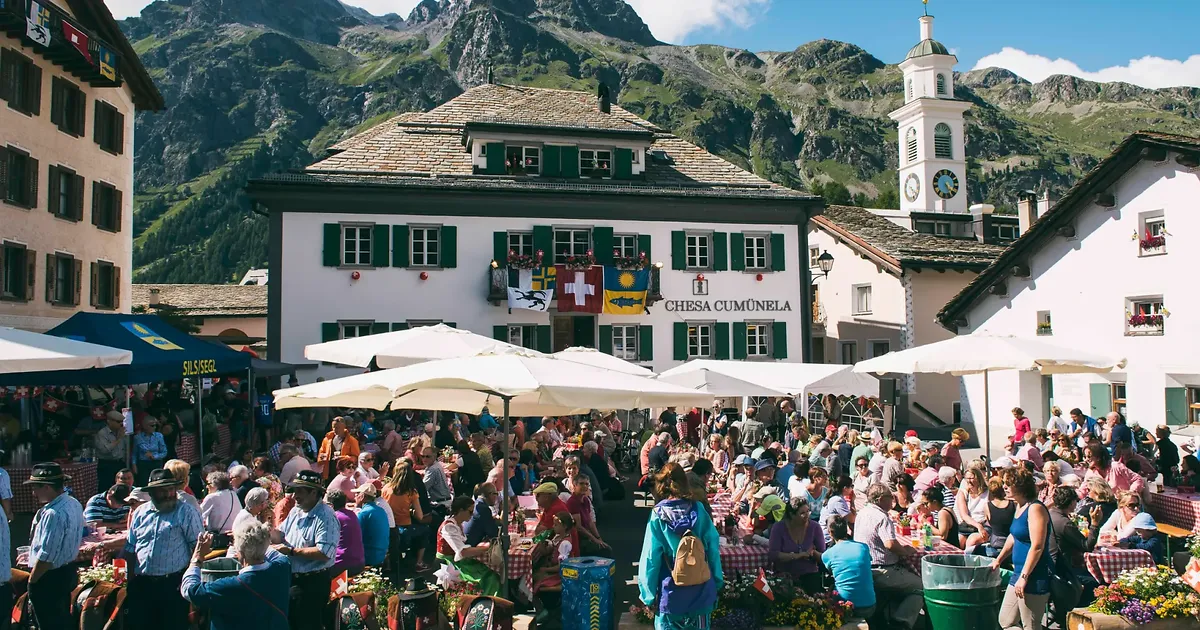
Some places announce themselves. Sils Maria does the opposite. You arrive in a small Upper Engadin village set between two lakes, and the first thing you notice is what is missing: the noise, the crowds, the sense of being processed through somewhere built for arrivals. For travellers hunting the genuinely quiet places in Switzerland, this is one of the most convincing. This is not a checklist of things to tick off. It is a look at why the quiet here is real and durable, written from the village that is home to Hotel Schweizerhof, a Faern Collection Hotel. The calm is not a marketing line. It is a consequence of geography, scale, and a few decisions made long ago.
A small village on a big alpine lake
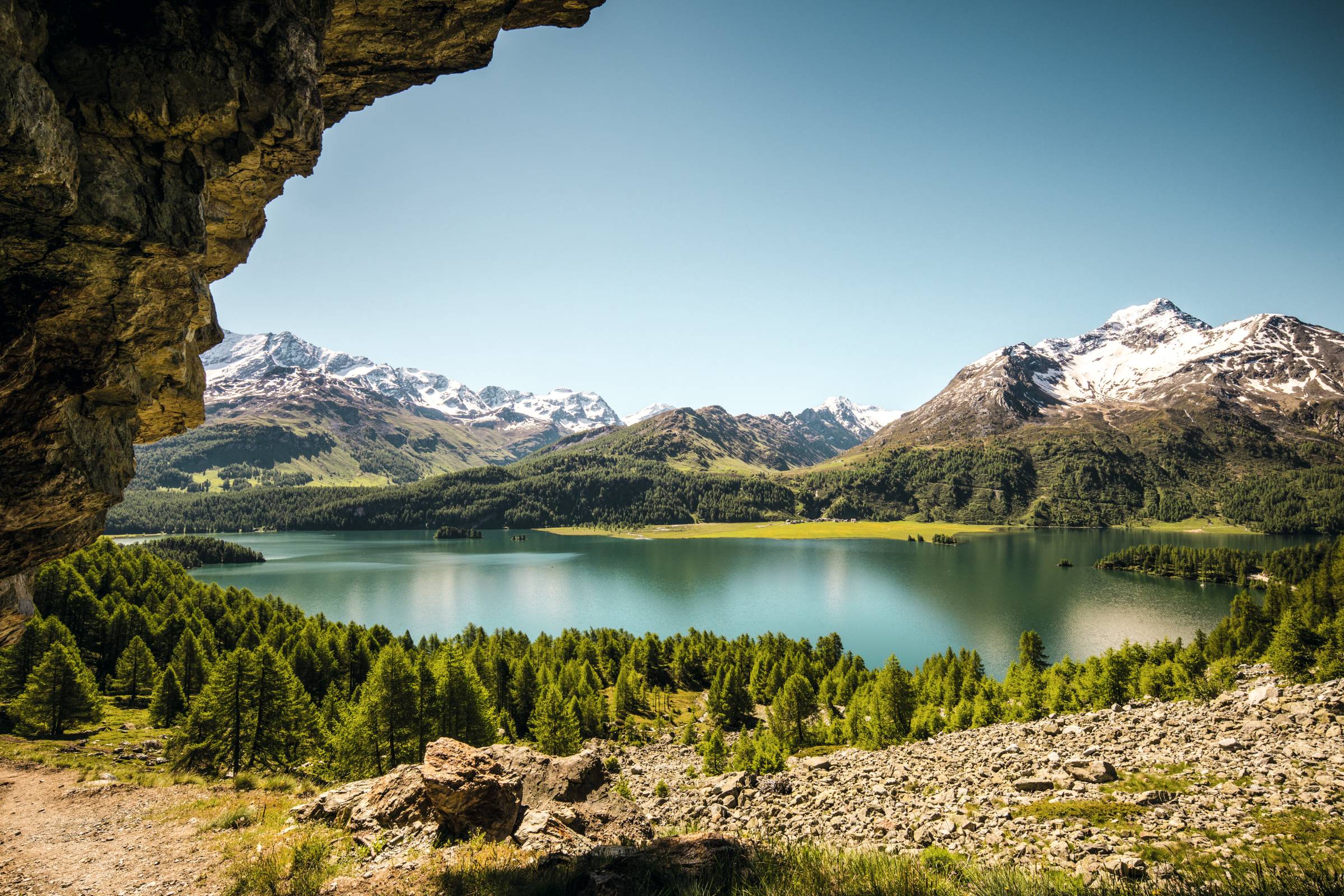
Sils Maria, known by its Romansh name Segl, sits at around 1,800 m in the Upper Engadin, with roughly 700 residents. That number matters. A village this size cannot generate the churn of a resort town, because there simply are not enough people, beds, or buildings to do it. What it has instead is space, and water. Sils lies between Lake Silvaplana and Lake Sils, the largest lake in the Engadin at about 4.1 km², stretching toward Maloja at the top of the valley. The lakes do most of the work that makes the place feel calm. They open up the horizon, slow the eye, and keep the built-up part of the village compact and walkable. You are never far from the lakes that frame the village, and the water sets the tempo of the day.
Quiet by design, not by accident
The clearest proof that the calm here is deliberate sits just behind the village: the largely car-free Val Fex. In 1954, the municipality of Sils agreed with Swiss conservation bodies that the valley would stay as it was. No parking. No ski lifts or chairlifts. No power lines. No new holiday homes. That agreement still holds. You reach the valley on foot or by horse-drawn omnibus, which runs to a timetable in summer, and the loudest sound tends to be the bells on the horses.
Compare that with how most alpine resort valleys developed over the same decades. The usual story is lifts, link-ups, car parks, and second homes, each addition pulling in more traffic and more building. Val Fex chose the other path and stuck to it. That single decision tells you most of what you need to know about the character of the place. The protected valley is also the start of some of the panoramic walks that start from the village, so the quiet is not just preserved, it is genuinely usable.
A long tradition of coming here to slow down
People have been coming to Sils Maria to slow down for well over a century. The reasons they gave then are roughly the reasons people give now.
Nietzsche's seven summers
Friedrich Nietzsche spent seven summers in Sils Maria: 1881, then each year from 1883 to 1888. He rented a modest room in the village, ate simply, and walked for hours every day along the lakes and up into the valleys. The landscape was not a backdrop to his work; it was part of how he worked. The house where he stayed is now the Nietzsche-Haus, a small museum in the heart of the village, and it remains one of the clearest links between this place and the idea of thinking slowly, on foot, in clear air.
A landscape painters chose
The wider Engadin around Sils drew painters for the same reason it drew Nietzsche: the light. Giovanni Segantini built much of his late work around this high valley and its luminous, thin-aired clarity. He lived at Maloja, the village at the top of Lake Sils, next to Sils rather than in it, and the Segantini Museum that holds much of his work is in St. Moritz. He belongs to the story of the Engadin around Sils rather than to Sils itself, but the light he chased is the same light you see on the water here on a still morning.
Close to St. Moritz, a world away in feeling
None of this means Sils Maria is hard to reach or cut off. St. Moritz is about 11 km away, roughly 20 minutes by bus. You get the full scale of the Engadin, the high peaks, the chain of lakes, the famous summer light, without the resort churn that comes with it. The difference is structural, not just a matter of mood. St. Moritz is built around a constant flow of visitors and the infrastructure that serves them. Sils is built around a small permanent community and two lakes. Staying at Hotel Schweizerhof puts you on the quiet side of that line while keeping the grander Engadin within easy reach for a day.
The rhythm of a slow Engadin day
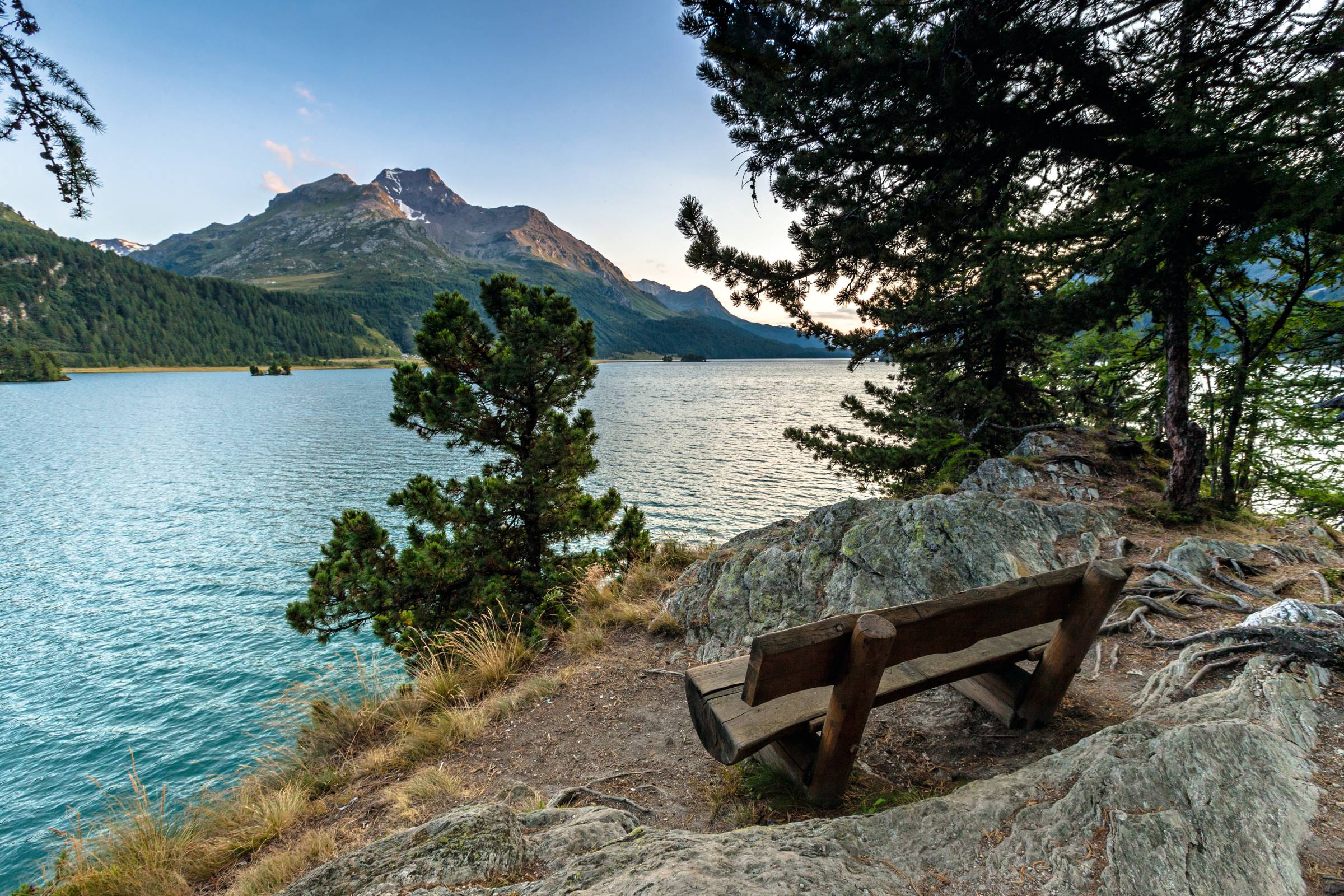
What this adds up to, in practice, is a particular rhythm. Mornings tend to start at the lake, when the water is flat and the light is low and the peaks are doubled in the surface. Afternoons are unhurried by default; there is no real machinery here for rushing you from one attraction to the next. You walk, you sit, you watch the light shift across the water and the larches, and the day stretches in a way it rarely does elsewhere. This is what slow travel actually feels like when the place is built for it rather than merely advertising it. If you want a sense of how the days string together, a four-day long weekend in Sils Maria reads less like an itinerary and more like a change of pace.
When to come for the quietest summer
Getting here is straightforward. The Engadin is well served by PostBus, and the scenic Palm Express runs once a day past Silvaplana, Sils, and Maloja on its way between St. Moritz and Lugano, which makes the approach itself part of the slowing-down. For the quietest stretch of summer, aim for the shoulders: early summer, when the snow has just left the high paths and the lakes are filling, and the back end of the season before the autumn light arrives, both tend to feel calmer than the few peak weeks at the height of August. Whenever you come, the village holds its pace.
If a genuinely quiet summer in the Upper Engadin sounds like the rest you are after, the rooms at Hotel Schweizerhof are a good place to begin. And if you would rather wander first, the lakes and the walks above the village are waiting whenever you are ready.
Prices, opening times and season dates in this article were correct when it was written and are not updated continuously. Please check the current details with the operator or on the official website before you travel.